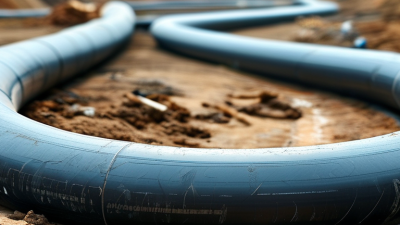
China Best CPVC Pipe Manufacturers: How to Choose?
Choosing a CPVC pipe manufacturer in China requires more than comparing prices or browsing product photos. Buyers should examine material consistency, production controls, pressure ratings, and documented test results. A smooth finish matters, but it cannot prove that a pipe will perform reliably inside a building. Ask how the manufacturer checks dimensions, wall thickness, and resistance to heat and chemicals. Request current technical documents and confirm that they match the specific product you plan to purchase.
Experience also matters. A supplier familiar with plumbing and industrial applications can explain how pipe grades, fittings, and operating conditions affect selection. Look for clear answers about raw materials, batch traceability, packaging, and delivery timelines. Samples can help, but one sample is not the whole story. Check whether the company can maintain consistent specifications across larger orders. Independent inspection may be useful when the project has strict requirements. Still, no checklist removes every risk, and marketing claims deserve verification. Compare several manufacturers using the same criteria, then weigh quality evidence, communication, and service alongside cost. The right choice is the supplier whose capabilities fit your application, not simply the one with the lowest quote.
What Is CPVC Pipe and Where Is It Commonly Used?
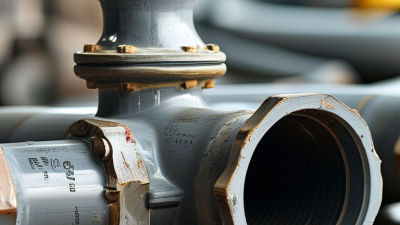
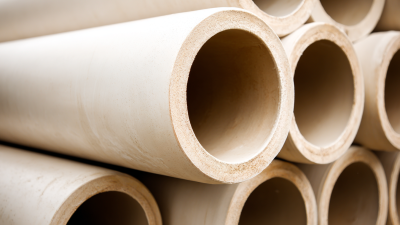
CPVC pipe is made from chlorinated polyvinyl chloride, a thermoplastic material modified to tolerate higher temperatures than standard PVC. Its smooth interior helps water flow with relatively little friction, while its resistance to corrosion can reduce problems associated with rusting metal pipes. The material is lightweight and can be cut and joined with compatible fittings and solvent cement. Installation still depends on correct preparation and curing; a rushed joint can become a leak.
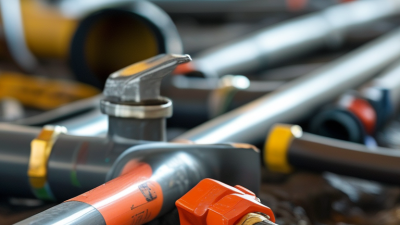
CPVC is commonly used for hot- and cold-water distribution in homes and commercial buildings, including supply lines behind walls and connections to water heaters. It also appears in some industrial systems carrying compatible fluids. Actual suitability depends on the pipe’s pressure and temperature ratings, the fluid involved, and local installation requirements. A pipe that handles hot water in one setup may not suit a hotter process or a chemical with different properties. Check the manufacturer’s technical data for the specific application. It is an easy detail to overlook.
Which Standards and Certifications Should CPVC Pipes Meet?
CPVC pipes should be evaluated against standards that match their intended use, not selected by name alone. For potable water, check the applicable drinking-water approval in the destination market. For plumbing performance, look for a recognized product standard covering dimensions, pressure ratings, and temperature limits. Requirements differ by country and application.
Ask for current test reports and certificates that identify the exact pipe type, size range, and production site. A certificate for one product family may not cover every fitting or formulation. Check whether testing was conducted by a qualified, independent laboratory, and confirm that the certificate remains valid. Paperwork matters.
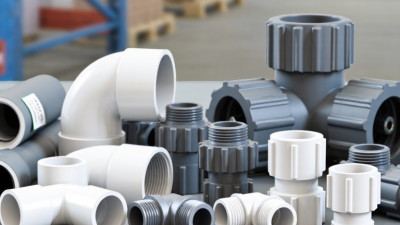
Installation conditions matter too. A pipe rated for a stated pressure at room temperature may have a lower allowable pressure at higher temperatures. Review the manufacturer’s technical data alongside the relevant standard, especially for hot-water systems. Verify jointing instructions and compatibility between pipes and fittings. Small details count.
One detail is easy to miss: certification does not guarantee that a shipment matches the tested product. Compare markings on the pipe with the documents, including standard number, nominal size, pressure class, and batch code. Keep inspection records. If a supplier cannot explain a discrepancy clearly, pause before ordering. The documents should be specific, current, and independently verifiable.
What Factors Distinguish CPVC Pipe Manufacturers in China?
A dependable CPVC pipe manufacturer is distinguished by more than a smooth catalog or a low quotation. Ask how resin batches are checked, how pipe dimensions are measured, and whether production records can be traced to a finished lot. Request recent test reports for pressure performance, impact resistance, and dimensional consistency. Useful evidence includes dated results, stated test methods, and samples that match the products being quoted. A polished certificate alone tells you little.
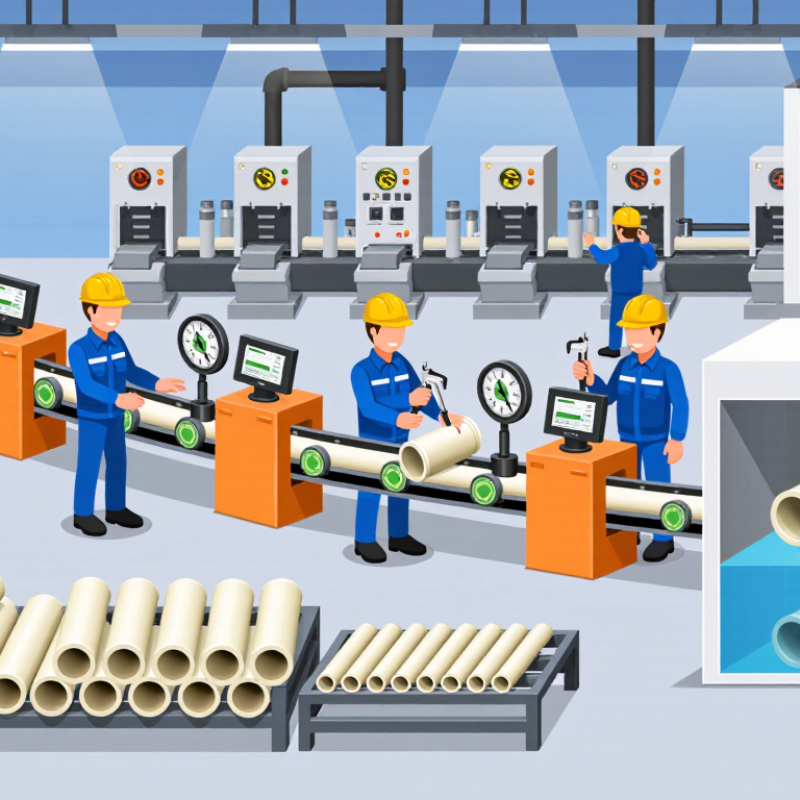
Factory controls matter in daily use. During a visit, look for calibrated gauges, clear inspection records, and pipes stored away from direct sunlight and physical damage. Ask how workers identify defects such as uneven wall thickness or rough socket ends. Small details count. A socket that feels tight on one sample may fit differently across a shipment, so compare several pieces rather than one. This is easy to overlook.
Technical support also separates capable suppliers from transactional ones. A manufacturer should explain temperature limits, compatible joining methods, and installation conditions in plain terms, while pointing to product data rather than making broad promises. Check how complaints are documented and how corrective actions are followed up. No factory is flawless; what matters is whether it acknowledges variation and shows how it investigates it. That answer may reveal more than a showroom tour.
How Can Buyers Compare Quality, Capacity, and Technical Support?
China Best CPVC Pipe Manufacturers: How to Choose?
How Can Buyers Compare Quality, Capacity, and Technical Support?
Comparing CPVC pipe manufacturers takes more than checking a catalog or quoted price. Ask for product specifications, material traceability, and recent quality test records. Confirm that the stated pressure ratings match the intended temperature and operating conditions. A sample can reveal finish and dimensional consistency, but it cannot prove long-term performance. Request test methods and results you can verify. Small details matter.
Capacity deserves a closer look. Ask about typical production lead times, available sizes, and how the supplier handles urgent orders or demand changes. A large stated output is less useful if schedules shift without notice. Discuss packaging, inspection checkpoints, and how defects are documented. If possible, compare these answers with a trial order. One order is not a complete picture, though.
Technical support should be specific, not just a promise to help. Ask who will answer installation questions, how quickly they respond, and whether they can review operating conditions before recommending a product. Clear guidance on joining, storage, and temperature limits can prevent avoidable problems on site. Keep the answers in writing. Even careful comparisons leave uncertainty, so buyers should weigh verified evidence against sales claims and revisit assumptions when project requirements change.
China Best CPVC Pipe Manufacturers: How to Choose?
How can buyers compare quality, capacity, and technical support?
Use these criteria as a due-diligence checklist, not as verified scores for specific manufacturers. Confirm product compliance with applicable standards, review independent test reports, assess production capacity against your order and lead-time needs, and evaluate technical support with documented response and service commitments.