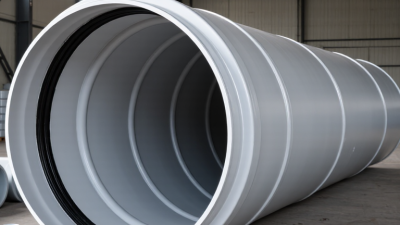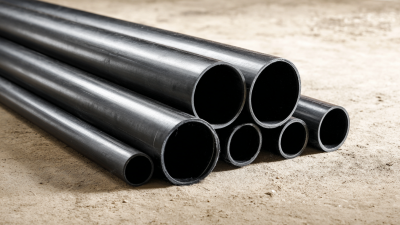
Schedule 40 PVC is a pressure-rated plastic pipe defined by its wall-thickness series, not by one universal pipe size. ASTM D1785, the industry specification for PVC pressure pipe, provides dimensional tables and requirements for this product. Its measurements show why nominal size can be confusing: 1-inch Schedule 40 pipe has a 1.315-inch outside diameter and a 0.133-inch wall. The inside diameter is smaller, and varies with wall thickness and manufacturing tolerances.
A useful guide should explain how those dimensions affect fittings, flow, and pressure selection. ASTM tables provide the baseline; manufacturer pressure charts add product-specific ratings and temperature limits. The Plastics Pipe Institute’s Handbook of PVC Pipe Design and Construction offers further engineering context on PVC pipe systems. Ratings are not interchangeable across every diameter or operating condition. Heat, joining methods, and the exact product listing matter.
The label sounds simple. It can mislead. “Schedule 40” does not mean that every pipe has the same pressure capacity, nor does it describe every intended use. This article explains what schedule 40 pvc is, how its dimensions are read, and what to check before choosing pipe and fittings. Where project requirements are unclear, confirm the product data with the manufacturer or a qualified plumbing professional. One detail is easy to overlook: a fitting may share the nominal size but still require compatible specifications and installation.
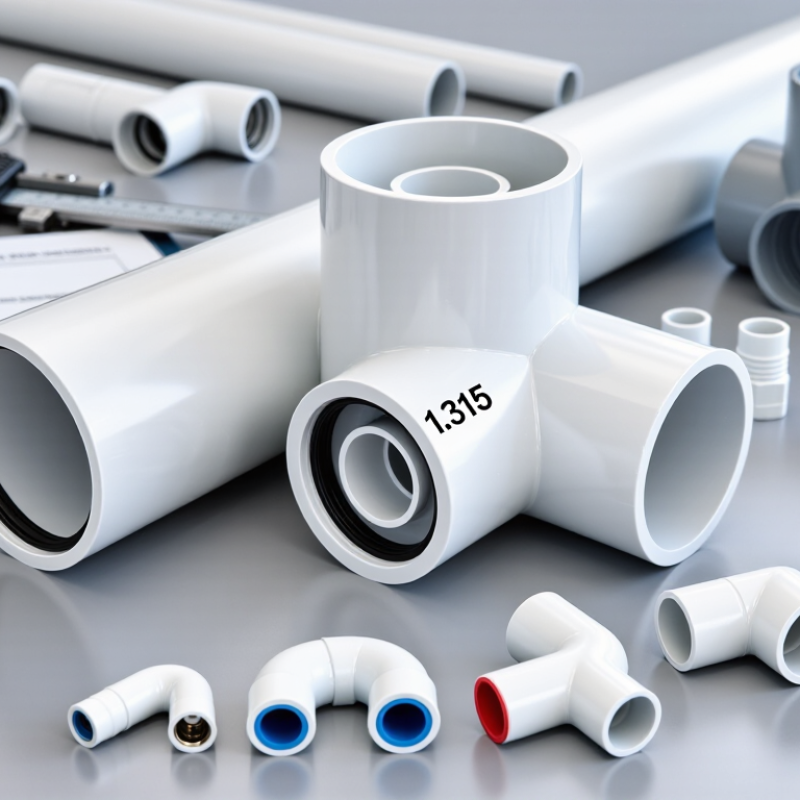
Schedule 40 PVC pipe is a rigid plastic pipe made to standardized dimensions. “Schedule 40” identifies its wall-thickness series, not a fixed thickness of 40 units. For a given nominal pipe size, its outside diameter is generally shared with other schedules, while wall thickness and inside diameter differ. The details matter.
ASTM D1785 is the specification for PVC plastic pipe in Schedules 40, 80, and 120. It sets requirements for dimensions, tolerances, workmanship, testing, and product marking. A pipe marked to this specification should be checked against the exact size and intended service.
Schedule 40 alone does not establish a universal pressure rating; allowable pressure depends on pipe size, operating temperature, and product specifications. It is easy to focus on the schedule number and miss those limits.
Tips: Read the pipe markings and compare them with the project requirements. Check temperature and pressure limits before installation. A quick measurement can help, but it does not replace the specified dimensions or test data.

Nominal Size, Outside Diameter, and Wall Thickness Explained
Schedule 40 PVC pipe is a common plastic pipe with a specified wall thickness. The “40” describes a pipe schedule, not its diameter. Its nominal size is a label, not a direct measurement. A pipe marked 1 inch does not have a 1-inch outside diameter. For example, 1-inch nominal Schedule 40 PVC has an outside diameter of about 1.315 inches. The naming system can feel misleading, and it is easy to see why someone might measure the wrong part.
Outside diameter stays consistent for a given nominal size, while wall thickness changes with pipe size. The inside diameter is roughly the outside diameter minus twice the wall thickness. Actual dimensions can vary slightly within manufacturing tolerances. For a practical fit, check the pipe’s published dimensions and the fitting’s compatibility rather than relying on the label alone. A tape measure helps, but it does not replace a dimensional chart.
Tips: Measure across the pipe’s widest point to check outside diameter. Compare that figure with a reliable size chart before buying fittings. Keep in mind that thicker walls leave less room inside. Tiny difference, real impact.
Schedule 40 describes a pipe’s wall-thickness class, not its exact inside diameter. A 1-inch Schedule 40 PVC pipe has a standard outside diameter of 1.315 inches and a nominal wall thickness of 0.133 inches. Subtracting the wall twice gives an approximate inside diameter of 1.049 inches. That surprises many buyers. The “1-inch” label is nominal, so it does not describe the pipe’s measured width.
The outside diameter matters when matching the pipe to fittings. For example, a socket fitting is made to fit the pipe’s outside surface, not its inside opening. The wall thickness also affects flow space: this pipe’s interior is narrower than its outside measurement suggests. Actual measurements can vary slightly with manufacturing tolerances, and temperature or fluid conditions can affect performance. I still find nominal sizing a little counterintuitive, especially when comparing pipe and hose dimensions.
Tips: Check the printed size and schedule before buying. Use calipers to verify an exposed pipe end if a close fit matters. Measure twice. For pressure applications, confirm the pipe’s specific pressure rating and compatible fittings; Schedule 40 alone does not determine a safe working pressure.
Schedule 40 PVC pipe has a thicker wall than Schedule 20 pipe, but “Schedule 40” alone does not give one pressure rating. The allowable pressure depends on the pipe’s nominal size and the product’s specifications. A rating for a small diameter should not be applied to a larger pipe. Check the printed markings and the manufacturer’s pressure chart for the exact size.
Temperature changes the calculation. PVC generally supports less internal pressure as it gets warmer, so a rating listed at room temperature may not apply to hot service. A sun-warmed pipe in an exposed run can also face different conditions from one installed in a cool indoor space. Check the temperature adjustment guidance, and account for pumps, pressure surges, fittings, and joints. The weakest part of the assembly sets the practical limit.
Details matter. A chart is only useful when it matches the pipe’s standard and intended use. Some Schedule 40 products are meant for drainage, not pressure service. I would not rely on a generic online rating when a precise operating limit matters; the pipe marking and current technical data are better evidence. Small print can be easy to miss.
Schedule 40 PVC is a common, thick-walled plastic pipe grade, but its temperature limit matters as much as its pressure rating. Standard PVC pressure pipe is generally limited to continuous service at 140°F (60°C). Near that ceiling, pressure capacity falls sharply. The PVC Pipe Association’s Handbook of PVC Pipe Design and Construction lists a temperature derating factor of about 0.22 at 140°F, compared with 1.00 at 73°F. In practical terms, a pipe rated for 100 psi at 73°F would have roughly 22 psi of pressure capacity at 140°F, before other design allowances. Heat changes the math. ASTM D1785 specifies dimensions and pressure requirements for Schedule 40 pipe; it does not make hot-water service suitable.
Common uses include cold-water irrigation, compatible building water lines, and protective electrical conduit. For a summer irrigation line, warm sun on an exposed dark surface can raise pipe temperature, so shade and operating pressure deserve attention. For drainage, confirm that the pipe is marked and intended for that use. It is easy to assume “Schedule 40” means universally tough; it does not. Check the pipe’s markings, fitting compatibility, fluid temperature, and system pressure together. I would not treat 140°F as a comfortable target: it is the upper service boundary, and real installations have imperfect supports, pressure spikes, and temperature swings. Not just pressure.

Sign up for our mailing list to stay informed and up to date with our latest news and products!
(905) 832 – 0600
2175-A Teston Road
Maple, Ontario
L6A 1T3
(780) 451 – 0238
24790 – 117 Avenue
Acheson, Alberta
T7X 6C2
(604) 882 – 1564
9511 – 194A Street
Surrey, British Columbia
V4N 4G4
(306) 955 – 6005
3926 Arthur Rose Avenue Saskatoon, Saskatchewan
S7P 0C9
(450) 687 – 2721
2750 Rue Bernard-Lefebvre
Laval, Quebec
H7C 0A5