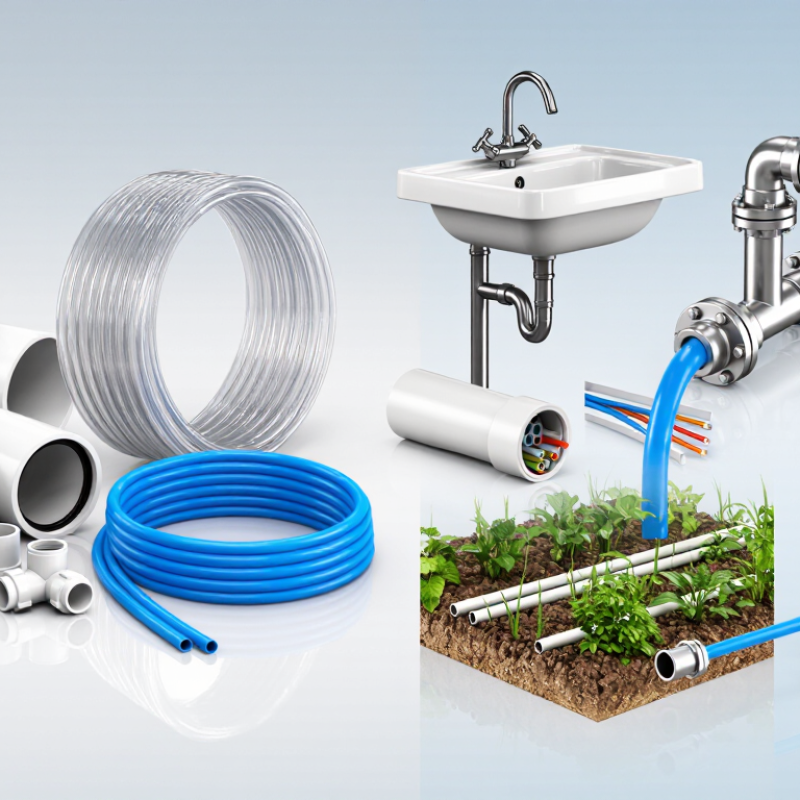
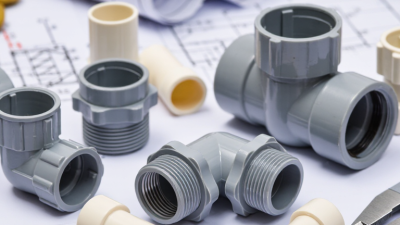
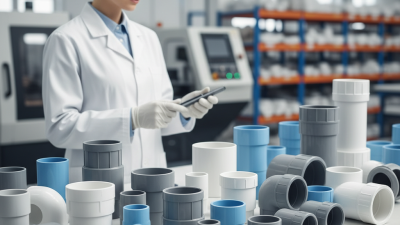
A pvc tube can carry water, protect electrical wiring, move drainage, or guide fluids through industrial equipment. Its purpose depends on its dimensions, wall thickness, formulation, and pressure rating. A rigid tube beneath a sink, for example, faces different conditions from flexible tubing connected to a pump. Small details matter.
The scale of the material industry offers useful context. PlasticsEurope’s Plastics – the Facts 2023 report estimates that global plastics production reached 400.3 million tonnes in 2022, with PVC making up about one-tenth of the total. This figure describes PVC resin, not tube production or demand. That distinction matters when comparing market statistics with a specific product.
In practical use, PVC tubes are valued for their relatively low weight, corrosion resistance, and ease of cutting and joining. They appear in plumbing, irrigation, drainage, ventilation, and cable protection. Yet “PVC tube” is not a complete specification. Some products are designed for pressure; others are intended only for non-pressurized service. Temperature, chemical exposure, installation method, and local product standards can also affect suitability. A tube that looks sturdy may still be wrong for the job. This overview explains common applications and the factors that help distinguish them, while recognizing that product labels and manufacturer data should guide final selection.
What Is a PVC Tube Used For?
What PVC Tubes Are and How They Are Made
A PVC tube is a hollow profile made from polyvinyl chloride, a thermoplastic polymer. PVC resin is produced by polymerizing vinyl chloride, which is generally made from chlorine and ethylene. Rigid PVC-U tubes can carry water, protect electrical wiring, or route drainage. Flexible formulations are used for hoses and appliance connections. The right type depends on diameter, wall thickness, pressure rating, and formulation. That distinction matters.
Manufacturers blend PVC resin with stabilizers, processing aids, and often pigments. Flexible tubing may also contain plasticizers. The blend is heated and pushed through a shaped die in an extrusion line. A sizing sleeve and vacuum help hold the tube’s shape; water cools it before a cutter trims it to length. Manufacturers check dimensions and, where needed, pressure performance. Small changes in heat or cooling can affect the bore. A smooth exterior alone does not prove consistent quality.
The VinylPlus Progress Report 2024 reports that 737,000 tonnes of PVC were recycled in Europe during 2023. This regional figure reflects recycling across PVC applications, not tubes alone. Recycled material is not suitable for every use; requirements depend on the application and specification. Extrusion sounds neat and continuous. In practice, production involves start-up scrap, adjustments, and material trade-offs—details worth considering when assessing how a tube is made.
Properties That Make PVC Tubes Useful
What Is a PVC Tube Used For?
PVC tubes are used in water supply, drainage, irrigation, and electrical conduit systems. Their low weight makes them easier to carry and position than many metal pipes. A smooth inner wall helps water flow and can reduce buildup, though it does not prevent every blockage. PVC also resists rust and many common chemicals. That can make it useful in damp areas, where metal may corrode. Handy, but not universal.
The material has limits. Heat can soften or deform PVC, and sunlight may gradually weaken some products unless they are designed for outdoor exposure. Pressure capacity varies by tube type, wall thickness, and installation, so check the product’s stated rating rather than guessing. Chemical resistance also depends on the specific substance and temperature. For example, a tube suitable for cold-water drainage may not suit a hot process line. Small details matter.
Tips: Match the tube to its job. Check diameter, pressure rating, temperature limits, and fittings before installation. Support long runs to reduce sagging, and follow the maker’s joining instructions. A quick visual check helps, but it cannot replace proper specifications.
Common PVC Tube Uses in Buildings and Utilities
What Is a PVC Tube Used For?
Common PVC Tube Uses in Buildings and Utilities
PVC tubes and pipes help move water, wastewater, and air through buildings. Drainage lines carry used water from sinks and showers toward sewer connections. Vent pipes allow plumbing systems to release air and maintain more stable flow. In suitable pressure-rated systems, PVC pipe can also carry cold water. The exact product matters; not every PVC tube is designed for pressure or potable water.
PVC also serves utility networks around buildings. Electrical conduit can protect cables from moisture, impact, and contact with soil when installed appropriately. Larger utility pipes may carry stormwater away from roofs, paved areas, and foundations. Installers usually select size and wall rating based on expected loads and site conditions. A tight fit is not proof of a safe connection. It is easy to overlook that distinction.
PVC Tubes in Agriculture, Industry, and Healthcare
In agriculture, PVC tubes move water from wells, storage tanks, and pumps to field rows. They are light to carry and resist corrosion from soil and water. FAO’s AQUASTAT data show agriculture accounts for roughly 70% of global freshwater withdrawals, much of it for irrigation. Small leaks still waste water. That detail matters.
Factories use PVC tubes to convey water, drainage, and some compatible process fluids. Their smooth interiors can help maintain flow, while rigid PVC sections suit fixed runs along walls or beneath floors. But chemical compatibility depends on the fluid, temperature, pressure, and tube specification. PVC is not a universal answer. A selection mistake can lead to leaks or early failure, so engineers should check manufacturer-independent material data and applicable standards.
In healthcare, flexible PVC tubing is used in fluid-delivery and drainage equipment when the material meets medical-use requirements. The World Health Organization has estimated that about 16 billion injections are given worldwide each year; this figure describes injections, not PVC tubing demand. That distinction is easy to miss. Medical tubing must meet stricter requirements for cleanliness, flexibility, and contact safety than ordinary plumbing tube. Real conditions can vary, so suitability should be verified for each application.
What Is a PVC Tube Used For? — PVC Tubes in Agriculture, Industry, and Healthcare
Sector
Common Use
How the Tube Is Used
Important Selection Considerations
Agriculture
Irrigation and water distribution
Rigid PVC pipe and tubing can carry water through irrigation networks, including supply lines and distribution branches.
Choose a product rated for the intended pressure and outdoor conditions. Protect exposed PVC from impact and prolonged sunlight where required.
Agriculture
Drainage and water management
Perforated or solid PVC drainage pipe can collect and convey excess water away from fields, growing areas, or agricultural structures.
Match the pipe diameter and perforation pattern to the drainage design, soil conditions, and expected flow.
Industry
Fluid transfer and process piping
PVC piping is used to move water and certain compatible process fluids in facilities such as workshops, treatment systems, and manufacturing plants.
Verify chemical compatibility, operating temperature, pressure rating, and applicable piping requirements before use.
Industry
Ventilation and fume handling
Some PVC ducting and tubing systems carry air or fumes in suitable, engineered installations.
Confirm compatibility with the specific vapors, temperature, airflow, and fire-safety requirements. PVC is not suitable for every exhaust application.
Healthcare
Medical fluid delivery
Flexible medical-grade PVC tubing is used in products such as intravenous administration sets and other medical fluid pathways.
Use only tubing manufactured and qualified for the intended medical application, with appropriate biocompatibility, sterilization, and regulatory controls.
Healthcare
Medical bags and extracorporeal circuits
Specially formulated PVC is used in some blood-storage bags and tubing sets for procedures such as dialysis.
Material formulation and performance must meet the relevant medical-device specifications; ordinary construction PVC is not an acceptable substitute.
How to Choose a PVC Tube for a Specific Application
What Is a PVC Tube Used For?
How to Choose a PVC Tube for a Specific Application
PVC tubes carry water, air, and other compatible fluids in homes, workshops, and industrial systems. Their smooth inner walls help maintain flow, while their light weight makes them easier to handle than many metal alternatives. Some tubes are rigid; flexible PVC tubing bends around equipment or tight corners. The right type depends on the job.
Start with the fluid, operating temperature, and pressure. Check the tube’s stated limits, not just its outside appearance. Match its inner diameter to the required flow and its outer diameter to the fittings. A loose connection can leak; forcing an oversized tube onto a fitting can damage it. Also consider sunlight, abrasion, and chemical exposure. For drinking-water use, choose tubing specifically rated for that purpose. There is no universal best option, and a quick visual check cannot confirm compatibility.
Tips: Measure twice before ordering, and test-fit a short section when possible. Read the manufacturer’s specifications for pressure and temperature. If the application is unusual, verify chemical compatibility with a qualified supplier. Small details matter—though they are easy to miss.