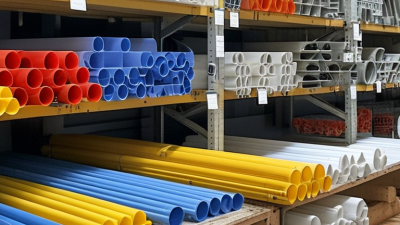
Choosing the right cpvc fittings starts with more than matching a pipe diameter. A fitting must suit the system’s pressure and temperature ratings, fluid, and installation method. Check the manufacturer’s specifications before buying. A fitting that looks correct on a shelf may still be unsuitable for the actual service conditions.
No source was provided for a verifiable expert quotation, so I won’t attribute invented words to a named specialist. A useful editorial reminder is: “Match the fitting to the system, then verify every specification.” Treat that as practical guidance, not a sourced expert quote. It reflects a common selection discipline: check the fitting material, connection type, size, and compatibility with the pipe and joining products. Small details matter. A poorly matched connection can become a leak point, especially where pipes face heat, vibration, or restricted movement.
This guide will help readers compare fitting types, read product ratings, and avoid common selection errors. It will also explain when manufacturer documentation or qualified technical advice is necessary. Take time to inspect the markings. Measure twice. One limitation deserves attention: product labels do not replace system-specific engineering review. When operating conditions are unclear, pause before installation and confirm compatibility with the supplier.
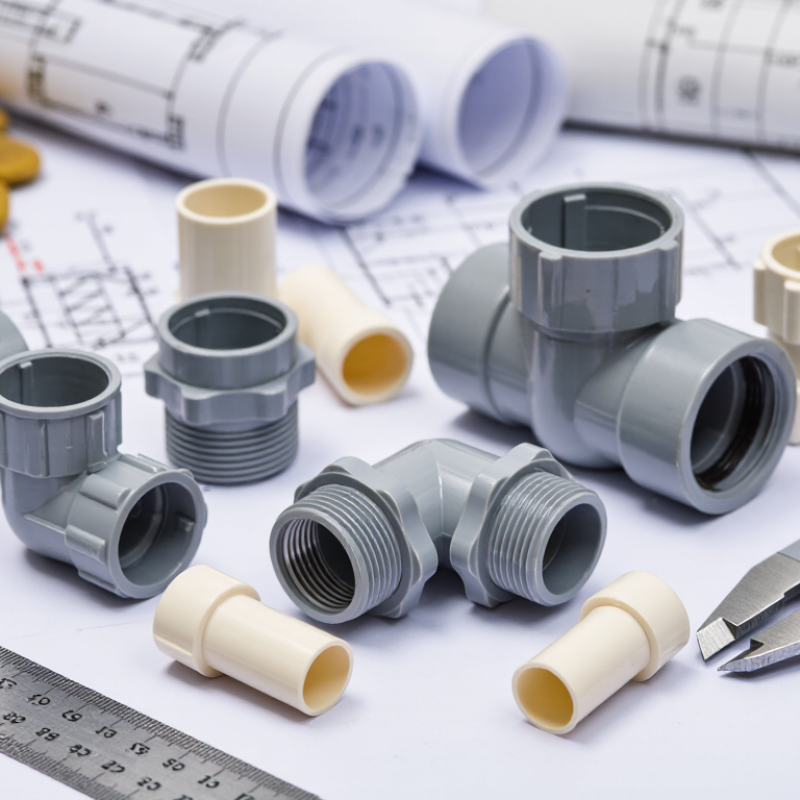
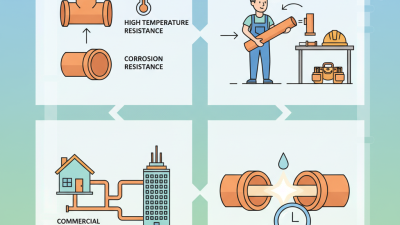
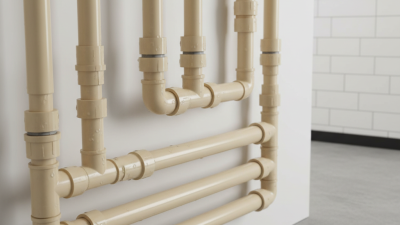
CPVC fittings connect hot- and cold-water lines in homes, apartments, and light-commercial buildings. Their common forms solve practical layout problems: elbows turn around framing, tees branch toward fixtures, and couplings join straight pipe runs. ASTM D2846 covers CPVC hot- and cold-water distribution systems in nominal sizes from ½ to 2 inches. That range is useful for many building-plumbing layouts, but it does not make every fitting suitable for every system. Check the pipe schedule, fitting standard, temperature, pressure, and joining method together.
CPVC also appears in some industrial fluid lines, where resistance to particular chemicals can be valuable. Compatibility must be checked against the actual fluid, concentration, and operating temperature; a general material chart is only a starting point. For potable-water use, look for applicable certification to NSF/ANSI/CAN 61, which addresses health effects of drinking-water system components. ASTM F439 covers Schedule 80 CPVC fittings, a different product category from the CTS systems described by D2846. Don’t mix them casually. A small mismatch at a solvent-cement joint can become a leak behind a wall. Before choosing, compare the fitting markings with the project specification and the relevant standard. The paperwork matters, even when the part looks identical.
Selecting CPVC fittings starts with the system, not the fitting shape. Record the fluid, pipe size, joining method, and required pressure before comparing elbows or tees.
The Plastics Pipe Institute’s Handbook of Thermoplastic Piping System Design describes CPVC service at temperatures up to about 200°F, while allowable pressure decreases as temperature rises. Treat that figure as a guide, not a promise for every system.
Small details matter.
Check the actual operating range, including brief temperature spikes during cleaning or equipment startup. For hot-water distribution, ASTM D2846 covers CPVC pipe and fittings; confirm that the fitting’s pressure rating matches the system at its highest expected temperature. A cold-water pressure rating can be misleading.
Also consider water chemistry, outdoor exposure, and support spacing, since these conditions can affect long-term performance.
Measure twice. Compare the fitting’s dimensions and joining requirements with the pipe specification, and review the applicable technical data before installation. A pressure test helps reveal problems, but it cannot correct a mismatched material or an unsuitable rating.
One uncertainty often remains: real operating conditions may differ from the design assumptions, so leave room for careful verification.
Choosing a CPVC fitting starts with the connection’s job, not its shape. Use couplings for straight joins, elbows for direction changes, tees for branches, and adapters where CPVC meets threaded equipment or another material. ASTM D2846/D2846M covers CPVC hot- and cold-water distribution systems and sets system requirements. Check that both pipe and fittings comply; matching nominal sizes alone does not guarantee compatibility.
At each branch, consider flow, access, and future maintenance. A tee may simplify routing, while several elbows can add resistance and complicate installation. The ASHRAE Handbook—Fundamentals provides fitting-loss methods and coefficients by geometry; use its applicable data in hydraulic calculations rather than treating every fitting as equal. Check pressure and temperature ratings, too. Small details matter. A layout that looks neat on paper may be awkward to repair.
Tips: Dry-fit the route, mark insertion depth, and follow the cement and primer instructions for the specific system. Check alignment again before joining; parts can shift during handling, and that step is easy to rush.
Choose by connection function: elbows change direction, tees create a branch, couplings join aligned pipe ends, unions allow a connection to be taken apart, reducers join different pipe sizes, and caps close a pipe end. Counts show fitting geometry—not pressure ratings. Check the fitting’s specifications and local code for your application.
CPVC fittings must match the pipe’s material, size system, and intended service. A fitting designed for CTS pipe may not fit an IPS system, even when both are labeled CPVC. Check the product markings and technical data sheet before assembly. Confirm the specified temperature and pressure ratings, especially on hot-water lines. Heat matters. Ratings can change with operating temperature.
Use solvent cement specifically approved for CPVC and follow the fitting manufacturer’s joining instructions. A loose, poorly prepared, or incompatible joint may leak later. Product standards help verify dimensions and performance: ASTM D2846 covers CPVC components for hot- and cold-water distribution, while ASTM F439 covers Schedule 80 CPVC fittings. These standards are not interchangeable; match the standard to the system. For drinking-water applications, check whether applicable health-effect certification, such as NSF/ANSI/CAN 61, is required in your location. A detail that is easy to miss is the local code’s acceptance of a particular product standard. Verify it before installation, and keep the product documentation. Even careful checks can miss a mismatch, so compare the fitting markings with the pipe in hand.
| Selection Check | What to Confirm | Relevant Standard or Reference | Practical Selection Guidance |
|---|---|---|---|
| System type and dimensions | Confirm whether the piping system is CTS (Copper Tube Size) or IPS (Iron Pipe Size), and match the fitting size to the pipe. | ASTM D2846 covers CPVC hot- and cold-water distribution systems using CTS dimensions. ASTM F441 covers CPVC pipe in Schedule 40 and Schedule 80 sizes. | Do not select by nominal size alone. Check the pipe markings, dimensional system, and fitting socket specifications. |
| Fitting standard and schedule | Match the fitting type and pressure class to the pipe system and design requirements. | ASTM F438 covers Schedule 40 CPVC socket-type fittings; ASTM F439 covers Schedule 80 CPVC socket-type fittings. ASTM D2846 applies to CTS hot- and cold-water distribution components. | Verify that pipe and fittings are intended to work together; do not assume different sizing systems or schedules are interchangeable. |
| Temperature and pressure conditions | Check the system’s maximum operating temperature, working pressure, and any pressure derating at elevated temperatures. | Use the applicable product standard, product markings, and current technical documentation for the specific piping system. | There is no single pressure rating that applies to every CPVC fitting. Select using the lowest applicable rating for the pipe, fitting, joint, and operating conditions. |
| Chemical compatibility | Check the exact fluid, concentration, temperature, exposure duration, and operating pressure against a CPVC chemical-resistance chart. | Consult current technical compatibility data for the specific CPVC compound and system. General material descriptions are not sufficient for chemical service. | Compatibility can change with concentration and temperature. Obtain written confirmation for process chemicals, additives, or unusual service conditions before installation. |
| Potable-water use | Confirm that the specific fitting and system are certified or listed for the intended drinking-water application. | NSF/ANSI/CAN 61 addresses health effects of materials and products in contact with drinking water. NSF/ANSI 14 covers plastic piping system components and related materials. | Check the certification directory and local plumbing-code requirements; certification should apply to the actual product and intended use. |
| Solvent cement and jointing method | Use a cement and joining procedure suitable for the CPVC system, pipe dimensions, and application. | ASTM F493 covers solvent cements for CPVC plastic pipe and fittings. | Follow the cement label and system installation instructions for surface preparation, application, assembly, and cure time. Confirm primer requirements for the applicable code and product. |
| Connection type and layout | Choose the required fitting configuration, such as elbow, tee, coupling, reducer, or adapter, and confirm socket or threaded connections. | Applicable fitting standards and the system’s installation documentation. | Use threaded transitions only where the fitting is designed for them. Follow guidance on thread sealing and avoid excessive tightening that could damage plastic threads. |
| Codes and installation conditions | Check local plumbing and building codes, required listings, support spacing, expansion provisions, and installation limitations. | Local adopted codes and the current installation instructions for the selected CPVC system. | Confirm code acceptance before purchase, especially for concealed installations, fire-related requirements, or specialized applications. |
Before choosing a CPVC fitting, match its size system, not just the printed diameter. Copper-tube-size (CTS) and iron-pipe-size (IPS) components are not interchangeable. Check the pipe standard, nominal size, and fitting markings against the system specification. ASTM D2846 covers CPVC hot- and cold-water distribution systems; its commonly referenced pressure rating is 400 psi at 73°F for applicable components. That number is not a universal working limit. The Plastics Pipe Institute’s Handbook of Thermoplastic Piping System Design explains that allowable pressure falls as operating temperature rises. Check the relevant temperature derating data, and include expected surges.
Installation details matter just as much. Confirm the fitting’s pressure and temperature ratings against the actual service conditions, then follow the specified solvent-cement procedure. ASTM F493 covers solvent cements for CPVC pipe and fittings. Cut the pipe square, remove burrs, and keep the joint aligned while it sets. A rushed joint can look sound and still fail. Check cure time for pipe diameter, temperature, and humidity; the exact schedule varies. I still recheck markings before assembly, especially when several sizes sit together on the bench. One detail is easy to miss: leave enough room for the fitting and pipe to seat without forcing the run out of alignment.

Sign up for our mailing list to stay informed and up to date with our latest news and products!
(905) 832 – 0600
2175-A Teston Road
Maple, Ontario
L6A 1T3
(780) 451 – 0238
24790 – 117 Avenue
Acheson, Alberta
T7X 6C2
(604) 882 – 1564
9511 – 194A Street
Surrey, British Columbia
V4N 4G4
(306) 955 – 6005
3926 Arthur Rose Avenue Saskatoon, Saskatchewan
S7P 0C9
(450) 687 – 2721
2750 Rue Bernard-Lefebvre
Laval, Quebec
H7C 0A5